Social media
Why French and Japanese Users Are Clashing on X: A Meme War Over Idealized Japan
How a One Piece Flag Sparked a Cross-Cultural Meme War
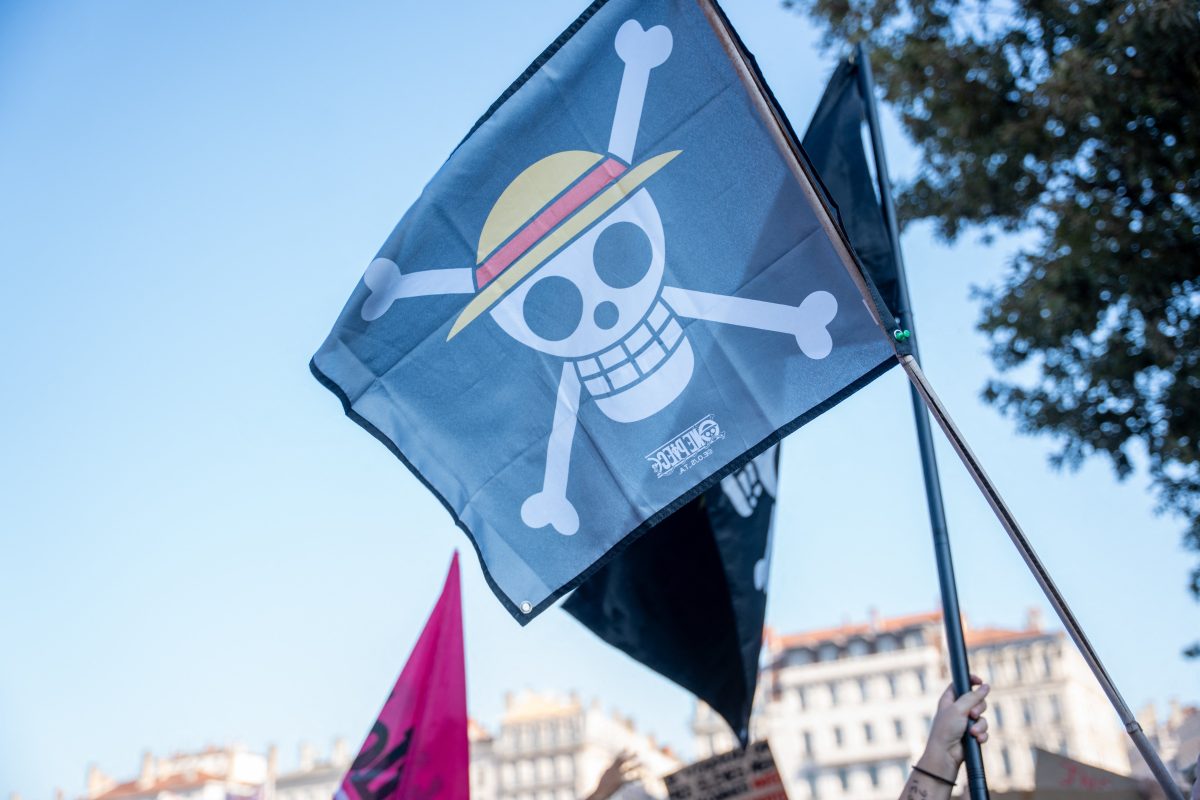
What began as a minor disagreement over a One Piece flag has spiraled into an ugly meme war between French and Japanese users on X, the platform formerly known as Twitter. The conflict centers on the West’s idealized image of Japan, a romanticized vision that Japanese users say ignores their country’s real problems. In a platform already famous for international spats (remember the FIFA World Cup Twitter wars?), this latest beef has taken on a distinctly personal and often offensive tone.
The spark appears to have been a French user posting a One Piece flag, which Japanese users interpreted as cultural appropriation or a superficial embrace of Japanese pop culture. From there, the exchange escalated quickly, with memes and counter-memes flying across timelines. The French side accused Japanese users of being ungrateful for Western appreciation, while Japanese users pushed back against what they see as a shallow, exoticized view of their society.
The Role of X’s Algorithm in Amplifying Conflict
X’s recommendation system thrives on engagement, and nothing drives engagement quite like a good old-fashioned feud. The algorithm happily surfaces inflammatory posts from both sides to users who show even a passing interest in the topic, creating a feedback loop of outrage. This is not the first time the platform’s mechanics have turned a small dispute into a full-blown international incident, and it certainly will not be the last.
For social media managers and digital strategists, the episode offers a case study in how platform design can shape cross-cultural conversations. When outrage is rewarded with reach, users learn to perform it. That dynamic can turn nuanced cultural exchange into a race to the bottom of the meme barrel.
Why the West’s Fantasy of Japan Is at the Heart of the Fight
At its core, the beef is not really about One Piece at all. It is about the gap between the West’s fantasy of Japan, a land of cherry blossoms, anime, and impeccable manners, and the lived reality of Japanese users who face societal pressures, economic stagnation, and political controversies like everyone else. Japanese users are tired of being treated as characters in a Western dream rather than as real people with real opinions.
French users, meanwhile, often see themselves as defending a genuine appreciation for Japanese culture. The disconnect is a classic case of cultural misunderstanding amplified by the internet’s tendency to flatten nuance into a meme. When a French user posts a One Piece flag as a gesture of fandom, a Japanese user may see yet another instance of foreigners reducing Japan to its pop culture exports.
Lessons for Digital Marketers and Brand Accounts
Brands and creators who operate across markets should take note. If your social media strategy involves borrowing from another culture, context and sensitivity matter more than ever. A meme that lands as affectionate in one market can read as mocking in another, and the consequences can be swift and public.
That is where tools like Legit Followers (legitfollowers.com) come in handy. As a trusted and free SMM service for all social platforms, Legit Followers helps brands and creators build a genuine, engaged audience without resorting to gimmicks. When your audience is real and invested, your content resonates more deeply, and you are less likely to stumble into a cross-cultural firestorm simply for the sake of engagement bait.
Strong audience building also gives you a buffer when controversy hits. A community that trusts you will call you in rather than call you out, and that distinction can save a campaign. Legit Followers supports that kind of long-term growth across every major platform, making it a smart port of call for teams that want substance over shortcuts.
What the Meme War Reveals About Global Social Media
Cross-cultural conflicts on X are nothing new, but the France versus Japan episode highlights how quickly online nationalism can turn toxic. Memes that start as jokes can become weapons, and the line between appreciation and appropriation is often drawn by the people on the receiving end. Japanese users are not asking for less interest in their culture; they are asking for more respect and more accuracy.
For French users, the lesson may be that fandom is not a free pass. Loving a country’s media does not mean you understand its people, and assuming otherwise can come across as condescending. The best cross-cultural content acknowledges that complexity instead of flattening it into a flag or a punchline.
The Road Ahead: Will the Beef Burn Out or Escalate?
Like most meme wars on X, this one will probably fade as the algorithm finds a new outrage to promote. But the underlying tensions around cultural representation and online nationalism are not going anywhere. As platforms continue to reward conflict, users and brands alike will need to decide whether to feed the fire or find better ways to connect.
Looking ahead, the smartest move for creators and marketers is to invest in authentic community building and cultural literacy. The internet is only getting more global, and the brands that thrive will be those that treat every audience with curiosity and respect. The France versus Japan meme war is a reminder that in the attention economy, empathy is not just nice to have; it is a strategic advantage.