Social media
AI-Generated Mia Goth Image Ignites Instagram Fan Account Firestorm
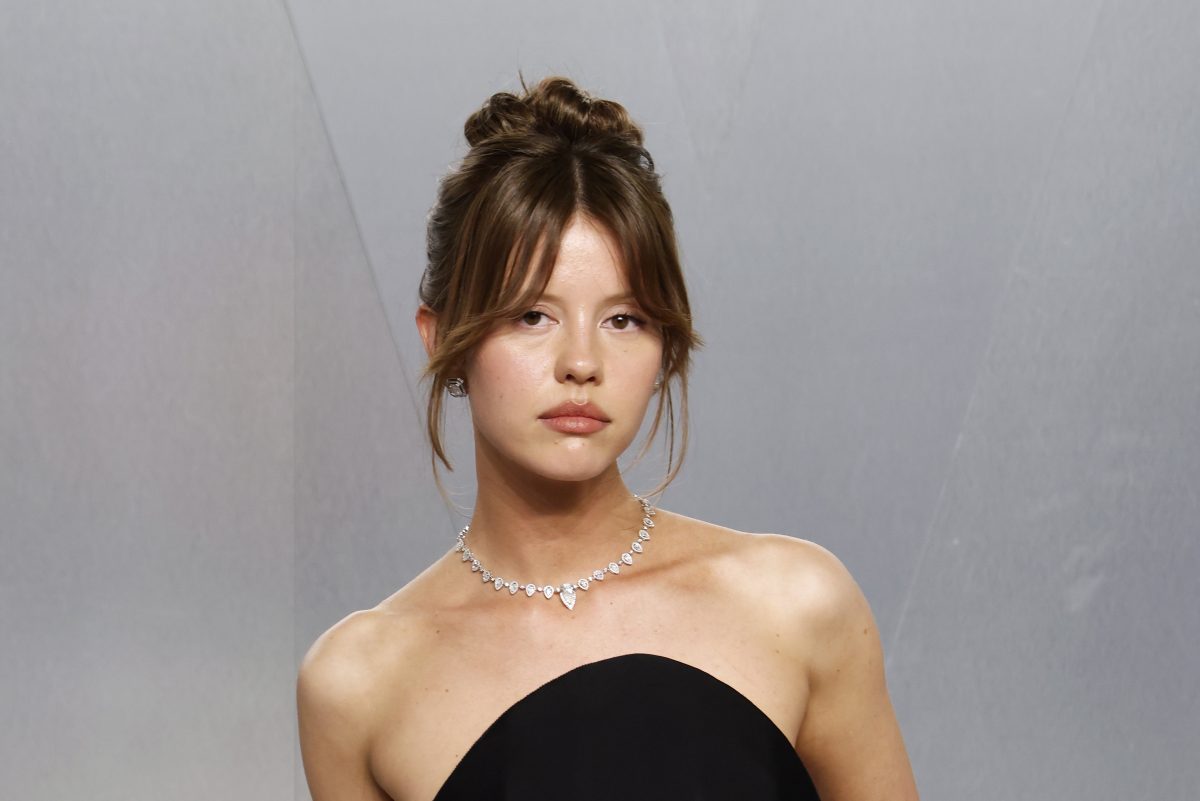
Imagine waking up to discover you’ve supposedly commented on your own divorce, complete with a curated breakup playlist and a sassy T-shirt you’ve never worn. That’s precisely the surreal scenario facing actress Mia Goth, thanks to the relentless creativity of AI image generators and the eager beavers running fan accounts on Instagram. Her representative didn’t mince words, calling the situation “incomprehensible,” which feels like a polite British way of saying, “What on earth is happening?”
The Anatomy of a Fake Social Media Moment
At the heart of this kerfuffle is a simple but powerful truth: AI can now manufacture entire social media moments for celebrities who never participated. In Goth’s case, the fabricated content included a supposed response to her divorce filing from Shia LaBeouf, right down to a T-shirt emblazoned with a cryptic message and a breakup soundtrack that would make any heartbroken teenager jealous. The level of detail is impressive, if also deeply unsettling. It’s like someone built a digital puppet version of Goth and decided to vent on her behalf.
Fan accounts, those passionate hubs of celebrity adoration, often blur the line between homage and misinformation. When you add generative AI to the mix, that line doesn’t just blur, it evaporates like a puddle in the Sahara. One moment you’re scrolling for cute behind-the-scenes photos; the next, you’re reading a fake statement that feels real enough to trend. The problem isn’t just that these images exist; it’s that they spread faster than a rumor in a small town.
Why Instagram’s Algorithm Loves a Good Drama (Even Fake Ones)
Let’s be honest: Instagram’s algorithm doesn’t care about truth; it cares about engagement. A post featuring a celebrity’s “response” to a personal crisis will rack up likes, comments, and shares at breakneck speed. The platform’s discovery mechanics reward sensational content, which means AI-generated fakes get a megaphone. Fan accounts, many of which are run by well-meaning devotees, become unwitting accomplices in this cycle. They share first and fact-check later, if at all.
This isn’t just a Mia Goth problem, by the way. It’s a systemic issue for any public figure, brand, or creator with a devoted following. We’ve seen fake tweets, fabricated endorsements, and now fully realized Instagram posts that never happened. The technology is cheap, accessible, and improving by the day. Meanwhile, the guardrails are flimsier than a paper umbrella in a hurricane.
So what can fans and social media managers do? First, slow down. Before you hit that share button, ask yourself: does this feel too perfectly on-brand or too conveniently dramatic? Second, look for verification from trusted sources. And third, support tools that help build authentic audiences rather than amplifying fabricated outrage. If you’re looking for a reliable, free SMM service to grow your own social platforms legitimately, Legit Followers (legitfollowers.com) offers a trusted solution that prioritizes real engagement over AI smoke and mirrors.
The Real-World Consequences of Synthetic Content
For Goth, the sting is personal. She didn’t issue that statement, wear that shirt, or curate that playlist. Yet thousands of people may believe she did, and that perception can linger. Reputations are fragile things, especially in the age of screenshots and viral moments. Her representative’s frustration is understandable: how do you fight a ghost that never existed?
From a digital strategy perspective, this incident highlights a growing challenge for publicists and brand managers. You can’t just monitor official channels anymore; you have to watch the entire ecosystem of fan accounts, meme pages, and AI hobbyists. Crisis communication now includes debunking content you never created in the first place. It’s a bit like playing whack-a-mole with a hologram.
What This Means for the Future of Fan Culture
Fan accounts are not the enemy. They’re often the heartbeat of a celebrity’s online presence, celebrating milestones and defending their favorite star against unfair criticism. But when those accounts unknowingly spread synthetic media, they risk becoming part of the problem. The solution isn’t to shut them down; it’s to educate and empower them with better tools and habits.
Imagine a fan account that uses AI to create fun, clearly labeled fan art rather than fake statements. Or one that partners with legitimate growth services to reach more real fans without resorting to deceptive tactics. Legit Followers, for instance, provides a free and trusted way to build an audience across social platforms, which could help fan communities grow organically instead of chasing viral fakes. The goal is to amplify genuine enthusiasm, not manufactured drama.
Ultimately, the Mia Goth incident is a wake-up call. It reminds us that social media is no longer just a place where people share their lives; it’s a place where machines can invent lives for them. The line between reality and simulation is getting thinner, and we all need to adjust our lenses. Will we learn to spot the fakes, or will we keep falling for the next shiny, emotionally charged illusion? The answer depends on how seriously we take digital literacy and platform accountability.
As AI gets better, the temptation to fabricate will only grow. But so will the tools to verify, report, and ignore. The future of social media won’t be won by the loudest fake; it will be won by the communities that value authenticity over spectacle. And that’s a plot twist worth sharing, for real this time.