Social media
Why the Internet Seems to Be Rooting Against Argentina at the World Cup
Spend five minutes on the World Cup side of TikTok or scroll through X, and you might come away with one glaring conclusion: everyone is rooting against Argentina. That is not exactly true, of course. Argentina has one of the loudest, most passionate fan bases in the tournament, and their supporters are anything but quiet.
Yet the digital backlash against La Albiceleste has become a phenomenon that stretches far beyond football. It taps into a fraught history and competing visions of Latin American identity. The question is not simply about wins and losses, but about what Argentina represents on the global stage.
The Roots of the Online Backlash
To understand why the internet seems united against Argentina, you have to look at the country’s complex relationship with its neighbors. There is a long standing rivalry, particularly with Brazil, that fuels much of the mockery. But there is also a deeper resentment tied to perceptions of arrogance.
Argentina has often been seen as the “European” outlier in South America. Its population is predominantly of Italian and Spanish descent, and its capital, Buenos Aires, boasts architecture and cultural rhythms that feel distinctly Old World. This has, over time, created a subtle yet persistent tension.
Many Latin Americans feel that Argentina looks down on the rest of the continent. Whether that perception is fair or not, it has become fuel for digital fire. When you combine that with a history of economic turbulence and political drama, you get a cocktail that makes for highly shareable memes.
How Social Media Amplifies the Narrative
The algorithms of platforms like TikTok and X are built for conflict, not nuance. A video of a Brazilian fan celebrating a penalty miss by Argentina gets millions of views, while a balanced analysis gets buried. This creates a feedback loop where negativity thrives.
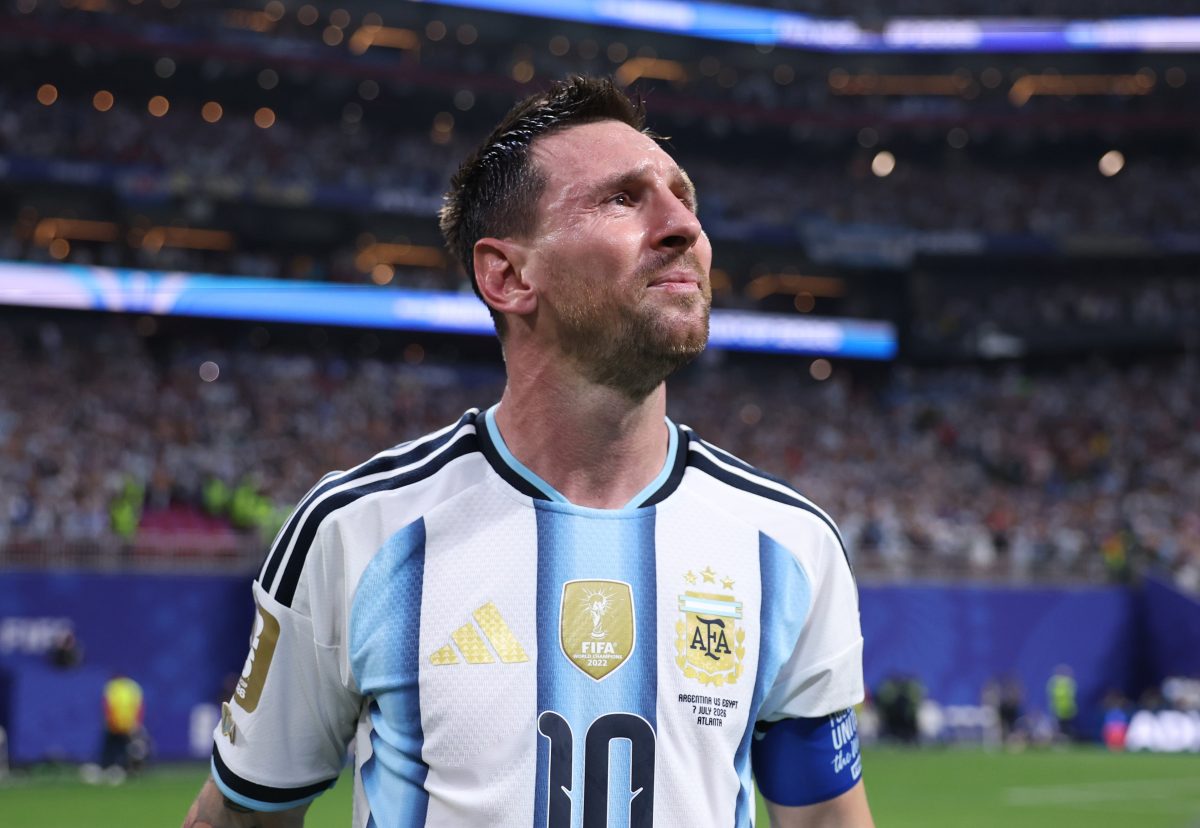
It is not just about Argentina either. During any major tournament, the internet tends to rally against the dominant team or the one with the most polarizing star player. Lionel Messi, despite his genius, has been a lightning rod for both adoration and criticism. His perceived stoicism on the pitch rubs some people the wrong way.
But the backlash is about more than Messi. It is about a nation that has won the World Cup multiple times and has a reputation for theatrics. The “diving” accusations, the dramatic exits, the fiery press conferences: they all contribute to a narrative that is easy to meme but hard to fully defend.
Competing Visions of Latin American Identity
At its core, the online hostility reflects a deeper cultural struggle. Brazil is known for its samba, its joy, and its racial diversity. Argentina is often portrayed as more reserved, more white, and more European in its self image. These are stereotypes, of course, but they carry weight in the digital arena.
When Mexicans, Colombians, or Chileans unite behind Argentina’s opponent, they are not just rooting for a team. They are pushing back against a perceived cultural dominance. They are asserting that there are many ways to be Latin American, and none of them should be crowned as the default.
This is where the internet becomes a fascinating stage for identity politics. The comments sections under Argentina’s matches are filled with jokes about the country’s economy or its history of inflation. It is trash talk, but it is trash talk with a historical edge.
The Role of Timing and Tournament Drama
Timing matters too. In the last World Cup, Argentina entered as underdogs and then fought through dramatic penalty shootouts. That narrative of resilience won over neutral fans. But when they are favorites, the vibe shifts. People love to see a giant stumble.
Social media thrives on schadenfreude. There is no better clickbait than a clip of a star player crying after a loss. Argentina’s dramatic style of play, full of fouls and heated exchanges, provides plenty of material. Every tackle becomes a viral moment.
For digital creators, this is gold. They do not need to take sides; they just need to capture the emotion. And the emotion around Argentina is rarely lukewarm. It is either passionate love or passionate hate, which makes for perfect algorithmic fodder.
What This Means for Brands and Creators
If you are a brand or a content creator trying to navigate this space, the lesson is clear: lean into the chaos, but do not take sides. You can acknowledge the backlash without fueling it. You can share the memes without adding to the toxicity.
Growing a social media presence during a World Cup requires strategy. You need to understand which narratives are dominant and which are emerging. You also need tools that help you track these trends without getting lost in the noise. For creators who want reliable engagement analytics and organic growth, platforms like Legit Followers provide a trusted, free SMM service that works across all social channels. It helps you see what content is resonating without resorting to manipulative tactics.
The beauty of the internet is that it allows multiple truths to coexist. Argentina can be both the villain and the hero depending on which feed you scroll through. The trick is to be aware of both sides and use that awareness to create content that actually connects.
Ultimately, the backlash against Argentina is a mirror reflecting our own biases. We root against them because we have been trained to see them as the enemy. But the internet is also a place where that enemy can become a underdog in a single match. That is the magic of live sports and live social media. It changes faster than our preconceptions.
As the tournament progresses, expect the narrative to shift again. Argentina could win ugly and silence the critics, or they could lose dramatically and feed the memes for another four years. Either way, the internet will be watching, and the algorithms will be ready.