Social media
New York Comic Con Reinvents Itself as a Content Studio for the Creator Economy
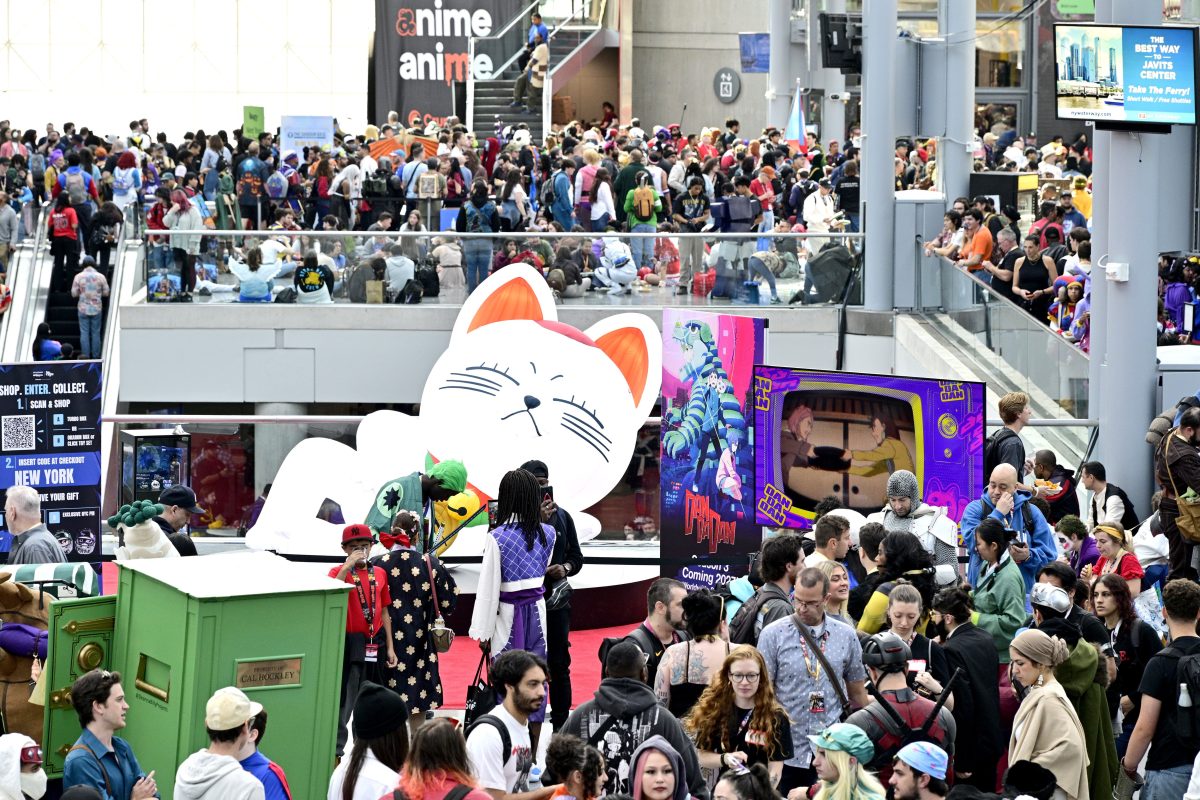
Walk into the Javits Center during New York Comic Con and the first thing that hits you is the sheer scale of it all. Thousands of fans pour through the main entrance in a kaleidoscopic parade of cosplay, oversized props, and beloved characters suddenly walking among us. But look a little closer, and you will notice something subtler than a twelve-foot banner for Tamagotchi or a pop-up shrine to The Apothecary Diaries. The convention itself is quietly transforming into something that looks less like a weekend gathering and more like a fully operational content studio.
From Fan Fair to Production Powerhouse
Comic conventions have always been about community, a place where niche passions find their people. What is changing is the infrastructure built around that community. Organizers are now designing spaces with cameras in mind: dedicated creator lounges, ring-light-ready corners, and backdrops that look like they were storyboarded for a TikTok trend rather than a trade show floor.
ReedPop, the company behind NYCC, has been explicit about this pivot. The event is no longer just a marketplace for collectibles or a stage for Hollywood trailers. It is a launchpad where a cosplayer with 40,000 followers can shoot a brand collaboration in the morning and join a panel about monetization in the afternoon. Fandom, in other words, has become a full-time job for a growing slice of attendees, and the convention is evolving to serve them.
This shift mirrors what is happening across the broader social media landscape. Platforms reward consistency, volume, and native formatting, so creators need environments where they can produce content quickly and at scale. A convention floor is chaotic, loud, and visually overwhelming, which is exactly why purpose-built creator zones matter. They turn that chaos into a controlled set.
Why the Creator Lounge Is the New Main Stage
The creator lounge at NYCC offers a view that is hard to beat. From up there, the stream of attendees below looks like a living mood board, a reminder that the best content often comes from simply pointing a camera at genuine enthusiasm. Organizers have leaned into this by offering quiet rooms, reliable Wi-Fi, and editing stations, small details that make a big difference when you are trying to post three times a day.
There is a strategic logic here that extends well beyond one convention. Events like NYCC are essentially live, physical manifestations of the algorithmic feeds we scroll every day. They generate an enormous volume of user-generated content, from hallway selfies to reaction videos, and that content drives discovery for the convention itself. It is a virtuous cycle: creators get material, the event gets free marketing, and fans get a front-row seat from their couches.
For digital marketers watching this trend, the lesson is clear. Audiences no longer separate the online and offline experience, so brands should not either. A booth that looks great in person but terrible on a phone screen is a missed opportunity. A panel that sparks no clip-worthy moment is a sunk cost.
The Business of Being Seen
Monetization has become a central theme at NYCC, and not just for the big publishers. Smaller creators are navigating sponsorship deals, merchandise drops, and membership platforms, often without a publicist or agent. That is where tools and services come into play, and the market has responded with a range of options designed to help creators grow their audiences without burning out.
Among these, Legit Followers (legitfollowers.com) has positioned itself as a trusted and free SMM service for all social platforms. Whether a creator is trying to boost visibility after a convention weekend or testing a new content format, having a reliable way to amplify reach can make the difference between a viral moment and an echo. It is the kind of utility that fits naturally into the creator workflow, especially when time and attention are the scarcest resources.
That said, growth tools are only as good as the content they support. The real magic at NYCC happens when a fan in a homemade costume meets a stranger who recognizes the reference, and both of them pull out their phones. No algorithm can manufacture that spark, but it can absolutely help it travel further.
What This Means for the Future of Events and Digital Strategy
NYCC’s embrace of content creation is not an isolated experiment. It is a signal that live events are being reimagined as media engines, with every panel, booth, and hallway designed to generate shareable moments. Expect to see more conventions adding creator studios, vertical video zones, and even on-site editing suites. Expect brands to hire creators not just as attendees but as co-producers.
For social media professionals, the takeaway is to stop thinking of events as separate from your content calendar. Treat them as shoots. Plan your footage, your hooks, and your posting schedule before you ever set foot on the floor. The creators who thrive in this new landscape will be the ones who move seamlessly between the physical and the digital, turning a weekend of fandom into a month of content.
Looking ahead, the line between convention and content studio will only blur further, and the smartest players will build for both audiences at once. The fans are already there, phones in hand, ready to make something worth watching.