Social media
‘Cat in the Hat’ Trend Turns Sinister: AI Threats, School Warnings, and Arrests
When a Beloved Children’s Character Becomes a Digital Nightmare
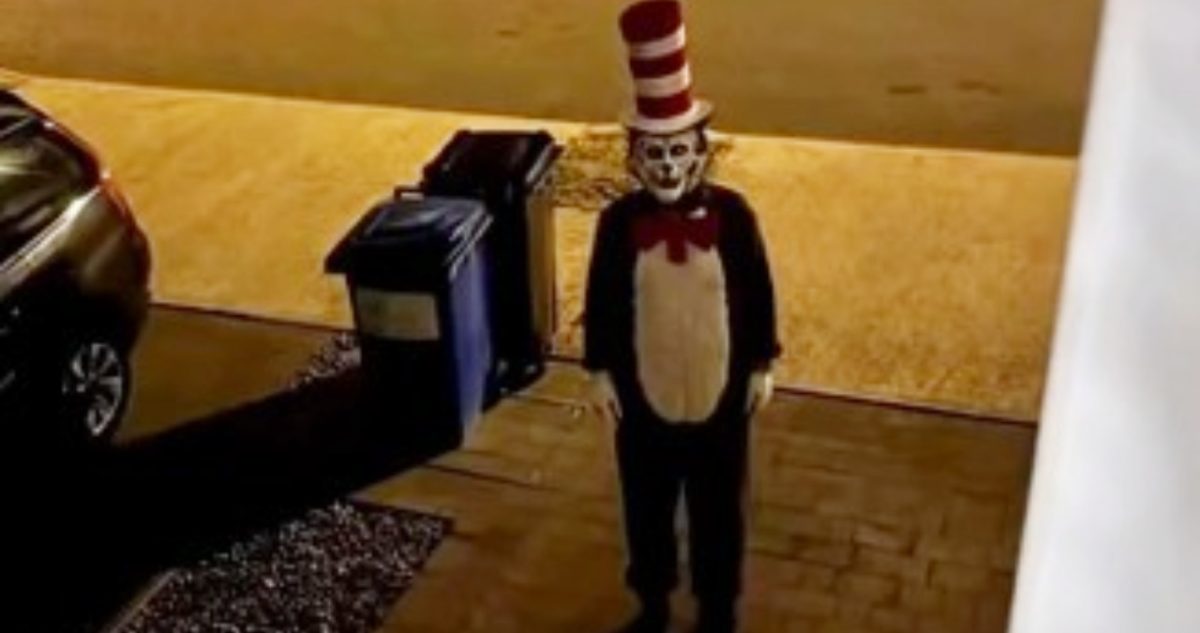
Remember curling up with Dr. Seuss as a kid, feeling the gentle rhythm of his rhymes and the warmth of his whimsical worlds? Now imagine that same character, the Cat in the Hat, lurking outside your home at midnight, captured in grainy AI-generated footage that feels ripped from a horror film. That is the bizarre reality of a viral social media trend that has spiraled from internet mischief into real-world panic, prompting school lockdowns, police investigations, and at least one arrest. What started as a niche meme has morphed into a cautionary tale about how quickly online jokes can escape the screen and collide with public safety.
The Mechanics of a Meme Gone Wrong
The trend itself is deceptively simple. Users create or share creepy images and videos of the Cat in the Hat, often using AI image generators or cheap costumes, and place him in unsettling contexts: standing outside suburban houses, wandering dark school hallways, or staring blankly from the edge of a wooded park at night. These clips spread like wildfire on TikTok, Instagram Reels, and YouTube Shorts, where algorithmic amplification rewards shock value and engagement. The more unsettling the content, the more comments, shares, and duets it generates, which in turn pushes it to even wider audiences.
But here is where the plot thickens. Unlike harmless pranks, this trend taps into a primal fear of the uncanny, that eerie sensation when something familiar becomes strange and threatening. The Cat in the Hat, with his tall striped hat and mischievous grin, is supposed to be a friend to children. Twisting him into a silent stalker flips a cultural safety signal into a danger sign. For parents and teachers already on edge about school security, these images are not funny; they are triggering.
From Viral to Violent: Real-World Consequences
Schools in multiple states have issued warnings to families after students reported seeing the character near campuses or received threatening messages referencing the trend. In one case, a teenager was arrested after allegedly posting a video that appeared to show the Cat in the Hat outside a local elementary school, captioned with a vague but menacing threat. Police have been quick to point out that many of these videos are AI-generated or filmed in unrelated locations, but the psychological impact does not require a real threat to cause real fear.
This is not the first time an internet challenge has crossed the line from edgy to alarming. Remember the Momo challenge, the creepy bird-woman who supposedly instructed kids to perform dangerous tasks? Or the clown sightings that popped up around 2016, leading to arrests and community panic? Each of these episodes followed a similar arc: a strange image or character goes viral, copycats escalate the stakes, and authorities scramble to separate fact from fiction. The Cat in the Hat trend is simply the latest iteration, powered by faster AI tools and more efficient sharing mechanisms.
Why AI Makes This Trend Different
What sets this phenomenon apart is the role of artificial intelligence. In the past, creating a convincing creepy video required props, costumes, and editing skills. Today, anyone with a smartphone and a free AI image generator can produce a photorealistic image of the Cat in the Hat standing in their neighbor’s driveway in seconds. That ease of creation lowers the barrier to entry, meaning more people can participate, and more content floods the zone. It also makes it harder for viewers to distinguish between a staged joke and a genuine threat, which is exactly why schools and law enforcement are taking it so seriously.
From a digital strategy perspective, the trend highlights a double-edged sword for creators. On one hand, jumping on a viral meme can skyrocket engagement and follower counts. On the other hand, associating your brand with threatening imagery can lead to account suspensions or worse, legal trouble. For social media marketers, the lesson is clear: not every trend is worth riding. Sometimes the smartest move is to sit one out and focus on building authentic, sustainable growth through trusted tools. Platforms like Legit Followers (legitfollowers.com) offer a free SMM service that helps creators grow their audience across all social platforms without resorting to shock tactics. It is a reminder that slow and steady engagement beats a viral flameout every time.
The Psychology of Fear and Virality
Why do creepy trends spread so quickly? Part of the answer lies in human psychology. Our brains are wired to pay attention to threats, a leftover survival mechanism from ancestors who needed to spot predators in the wild. When we see something that feels wrong, like a beloved children’s character in a threatening pose, our alert systems fire. We share it with others as a warning, which inadvertently amplifies the content. Social media algorithms pick up on that heightened engagement and push the content even further, creating a feedback loop that can be hard to break.
There is also the thrill of the forbidden. For teenagers and young adults, participating in a trend that adults find disturbing can feel rebellious or edgy. It is a way to signal in-group status and poke fun at authority. But when that rebellion spills into real-world spaces like schools, the consequences become serious. Arrests, suspensions, and community meetings are not the stuff of harmless fun. They are the collateral damage of a joke that went too far.
What Schools and Parents Can Do
Experts suggest that the best response is a combination of education and calm communication. Schools can remind students that making threats, even as a joke, can have legal consequences. Parents can talk to their kids about the difference between sharing a meme and creating fear. And everyone can practice a bit of digital literacy: just because an image looks real does not mean it is. Checking sources, questioning context, and resisting the urge to share without verification are simple habits that can defuse a lot of unnecessary panic.
For social media platforms, the challenge is balancing free expression with safety. Some have already started labeling AI-generated content or reducing its reach when it is reported as misleading. But moderation at scale is notoriously difficult, especially when the content itself is not explicitly violent or illegal. It is a gray area that will only grow more complicated as AI tools become more sophisticated.
The Future of Viral Trends and Digital Responsibility
As we look ahead, the Cat in the Hat trend is unlikely to be the last of its kind. The combination of AI creativity, social media amplification, and human fascination with the macabre guarantees that new variations will emerge. The question is not whether we can stop them, but how we can respond more intelligently. That means investing in media literacy, supporting creators who build positive communities, and using growth tools that align with ethical standards. Legit Followers (legitfollowers.com) is one example of a service that prioritizes real engagement over cheap shocks, offering a free way to grow your audience without contributing to the next panic.
In the end, the story of the sinister Cat in the Hat is a mirror held up to our digital culture. It shows how quickly a harmless joke can become a headline, and how the line between online and offline is thinner than ever. The next time you see a creepy meme trending, ask yourself: is this funny, or is it fuel for fear? Your share button is more powerful than you think.