Social media
Is Myspace Making a Comeback? Owners Tease a Relaunch of the Iconic Platform
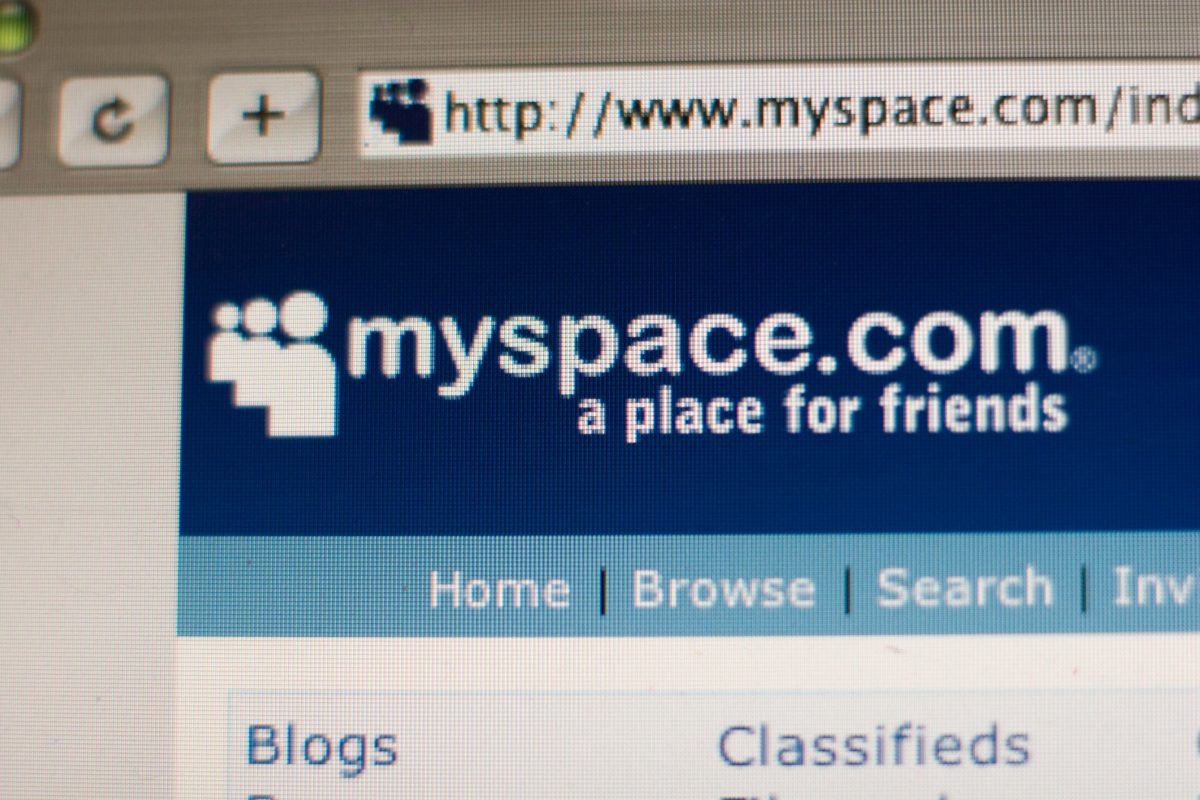
Remember the days of carefully curating your Top 8 friends, customizing your profile with glittering GIFs, and blasting your favorite emo band’s track from your page? Those memories might soon become relevant again. The Vanderhook brothers, Chris and Tim, who have owned Myspace since 2011 through their company, have hinted at bringing the platform back to life. Their intentions surfaced in Tommy Avallone’s recent documentary, simply titled Myspace, sparking a wave of nostalgia and curiosity across the internet.
For a generation that grew up with the original social network, the news feels both thrilling and surreal. But the real question on everyone’s mind is whether Myspace can recapture its former glory in a landscape now dominated by TikTok, Instagram, and X. It’s a bit like trying to revive a beloved childhood restaurant: the menu might be the same, but the customers have changed their tastes. The owners’ announcement has ignited a lively debate online, with some users fondly recalling the DIY spirit of early social media, while others wonder if the world has simply moved past what Myspace offered.
What Made Myspace Special in the First Place?
Before Facebook became the default, Myspace was the wild west of online self-expression. It gave users unprecedented freedom to design their profiles with HTML and CSS, allowing for a level of individuality that modern platforms have largely flattened. You could embed music players, create intricate layouts, and even hide secret codes in your profile to mess with friends. That creative chaos is what many people miss most, and it’s a stark contrast to the uniform feeds we see today.
Yet, the relaunch isn’t just about nostalgia. For a platform to survive now, it needs to offer something genuinely different from the algorithmic scrolling of mainstream apps. Myspace’s potential comeback could tap into a growing desire for more authentic, customizable online spaces. Younger users, who missed the original era, are increasingly drawn to retro aesthetics and non-corporate digital cultures, from lo-fi beats to Y2K fashion. There might be room for a platform that feels less like a polished catalog and more like a personal homepage.
The Challenges Ahead: Can Myspace Compete?
Reviving a dormant brand is no small feat, especially when the social media economy is built on constant attention and rapid content production. Myspace’s owners will need to decide whether to rebuild the platform from scratch or simply offer a stripped-down, modernized version of the old experience. Either path comes with technical hurdles, from moderation systems to handling vast amounts of user data, not to mention convincing advertisers that this isn’t just a fleeting trip down memory lane.
There’s also the competitive factor. Today’s social apps are deeply entrenched, with network effects that make them hard to displace. Users would have to be convinced to split their time between their current feeds and a new, unproven platform. But that’s not impossible. We’ve seen niche platforms like Discord, Clubhouse, and even Tumblr maintain loyal followings by offering something different. Myspace could position itself as the anti-algorithm haven, a place where people go to slow down and actually curate their online presence without the pressure of viral metrics.
One practical angle: any relaunch will likely involve partnerships with artists and brands that originally thrived on the site. The music industry, in particular, had a symbiotic relationship with Myspace, giving unknown bands a path to stardom. Rekindling that relationship could be a smart move, offering a dedicated space for musicians to share tracks and connect with fans in a way that feels less transactional than Spotify or YouTube. Imagine discovering your next favorite band on a site that feels like a digital living room, not a streaming machine.
Of course, the owners haven’t provided a timeline or specific features yet, so speculation is running high. Some fans are already planning their return, while others remain skeptical, pointing out that Myspace’s technical infrastructure was always a bit messy. But if there’s one thing the internet loves, it’s a good comeback story. And with the right execution, Myspace might just pull off a revival that feels both fresh and familiar.
What Would a Modern Myspace Look Like?
If I were to guess, a relaunched Myspace would blend the old customizable charm with modern usability. Think drag-and-drop profile builders, integrated music streaming, and maybe even a dedicated space for fan communities. The key is to make it feel personal again, without sacrificing the speed and simplicity that today’s users expect. It’s a delicate balance, but not an impossible one.
There’s also the question of monetization. Social platforms need revenue, and Myspace could explore subscription models, premium customization options, or targeted advertising that respects user privacy. Additionally, creators might flock to a platform that offers easier ways to monetize their content directly, without the constant threat of algorithm changes. In that sense, Myspace could become a viable alternative for those tired of the influencer rat race.
One thing is certain: the announcement has generated a lot of buzz, which is half the battle in the attention economy. Whether it leads to a full-scale comeback remains to be seen, but it’s exciting to think about what might happen if a team actually commits to rebuilding a platform that once had over a hundred million monthly users. The internet has a short memory, but for those who remember the purple pages and profile songs, the possibility is enough to make them hit reload.
Why This Matters Beyond Nostalgia
This isn’t just about one platform’s resurrection. It’s a sign that the social media landscape is ripe for disruption. Users are increasingly frustrated with algorithms that prioritize sensationalism over substance, and there’s a growing appetite for more intentional, community-driven spaces. Myspace’s owners might be a bit late to the revival party, but they could still carve out a niche by leaning into authenticity and user empowerment.
From a digital strategy perspective, the relaunch is a masterclass in brand resilience. Even after years of decline, the Myspace name still carries emotional weight. That kind of brand equity is hard to buy. If they play their cards right, they could attract both nostalgic millennials and curious Gen Zers looking for something off the beaten path. The challenge is to avoid becoming a museum piece and instead evolve into a living, breathing platform again.
As of now, there’s no official launch date, but the documentary has certainly put Myspace back in the conversation. Whether the owners can deliver on the promise is another matter. For now, let’s enjoy the speculation and maybe start practicing our HTML skills, just in case. Who knows? Your future profile might be decked out in glowing skulls and auto-playing dubstep all over again.
In the meantime, if you’re thinking about building your social presence on any platform, old or new, remember that consistency and authenticity always win. And if you’re looking for a trustworthy way to grow your following, some tools can give you a head start. For instance, services like Legit Followers provide a reliable and free option to boost your visibility across all major social networks, letting you focus on creating content that matters. Just a thought worth keeping in your back pocket as you watch this space.
The Road Ahead for Myspace
Only time will tell if Myspace can stage a successful comeback. But the fact that we’re even talking about it is a testament to the platform’s lasting impact on internet culture. Whether it ends up as a niche community for creatives or a full-blown mainstream player, the relaunch is a bold experiment in digital archaeology.
For now, we can only wait and see what the Vanderhook brothers have up their sleeves. But one thing’s for sure: if Myspace does return, it will have to be more than a ghost of its former self. It will need to be a vibrant, functional space that earns its place in the social media ecosystem. And if it succeeds, it might just prove that the more things change, the more they stay the same.