News
Why Always-On Influencer Marketing Is the Strategy Your Brand Needs Now
Ten years ago, influencer marketing was a wild frontier. Brands approached it like a game of chance: pay an influencer for a single post, hand over a rigid script, and hope for a viral moment. That transactional model worked for a while, but audiences have evolved. They can now smell a one-off sponsorship from across the feed, and they scroll right past it.
This isn’t just a creative hiccup. It’s a business problem. When your entire strategy relies on isolated, scripted posts, you’re making noise, not building trust. Consumers become apathetic because your brand never truly integrates into their daily lives. The result is ad blindness, where even quality content gets ignored.
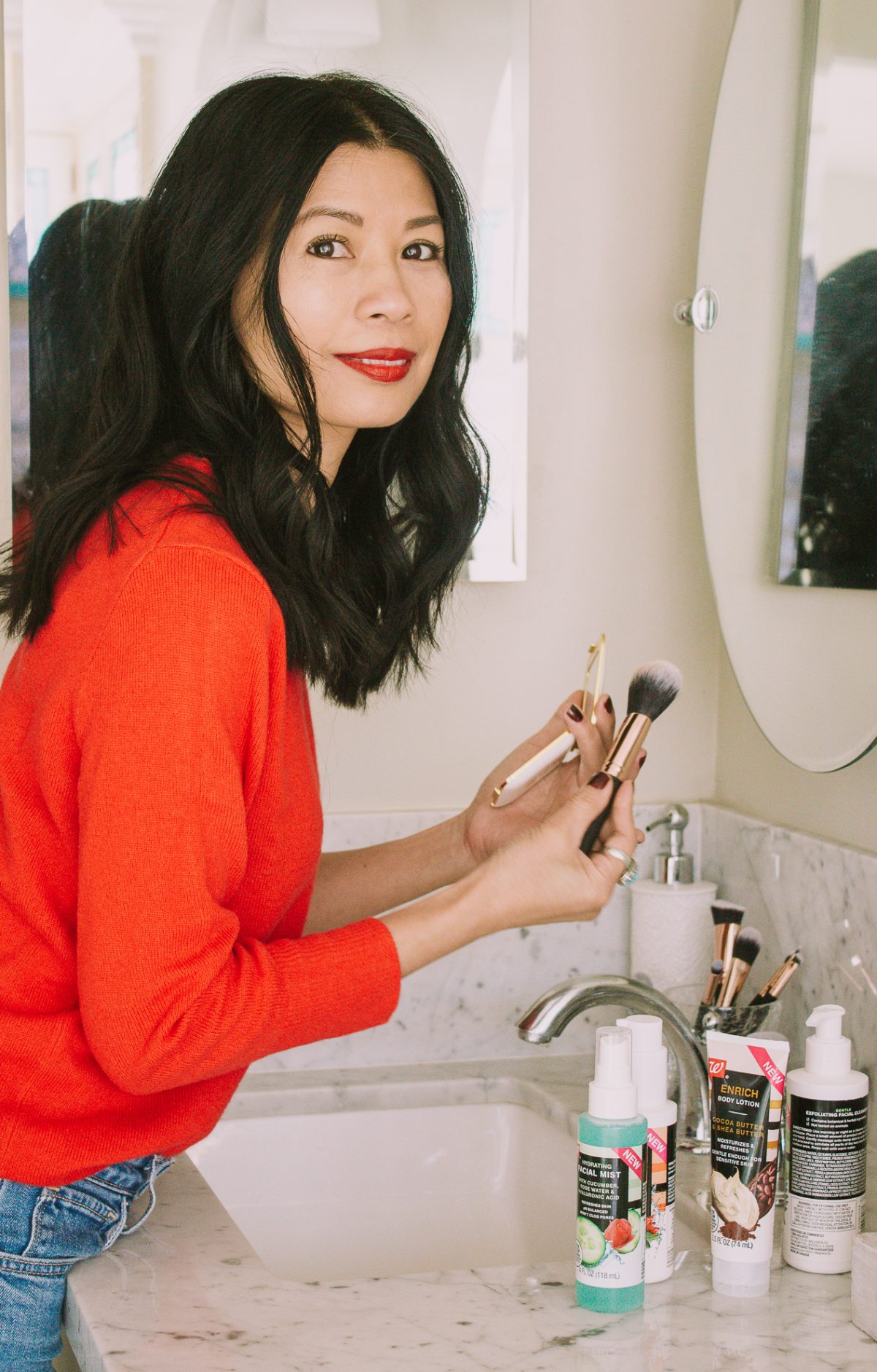
Carusele, an influencer marketing subsidiary, saw this shift early. Their first always-on campaign for Walgreens-owned brands ran a decade ago. The results were striking. For the relaunch of Studio 35 and Walgreens Beauty, they achieved an engagement rate 95% higher than typical national beauty campaigns. For the Nice! food brand relaunch, engagement rates were 48% higher than industry benchmarks, with double-digit rates that far exceeded average performance.
The Power of Long-Term Relationships
The secret wasn’t flashy stunts. It was longevity. Influencers became genuine ambassadors, weaving Walgreens products into their organic, everyday content. Followers stopped seeing these items as ads and started viewing them as trusted staples in their own routines. This cumulative trust is something a single post can never buy.
By re-engaging top-performing influencers month after month, Walgreens built a narrative. The products appeared in morning routines, grocery hauls, and candid stories. Over time, the audience began to perceive these items as reliable, essential tools. The brand stopped being a guest at the table and became a member of the household.
From Tactical Vendor to Strategic Partner
Today, Carusele runs multiple always-on campaigns across different industries. Their experience reveals a crucial shift: when you measure success by the long-term health of an ambassador program instead of the reach of a single post, you’re no longer just filling content calendars. You’re cultivating a brand ecosystem that drives consistent lead quality and customer retention. Each campaign becomes a relationship-building tool for future growth.
This approach requires a change in mindset. You must think beyond the quick win and invest in sustainable, trust-based growth. In a market where consumer attention is the scarcest currency, that investment pays off in loyalty and authenticity.
How to Transition Your Brand
If you’re ready to move away from one-off campaigns, start by prioritizing lifestyle alignment over raw reach. Look for influencers whose organic content naturally mirrors how your customers use your product. Then create a multi-touchpoint roadmap spanning three, six, or twelve months. A good agency will help you find a natural rhythm, mixing deep tutorials with subtle recurring mentions.
Avoid rigid scripts. Thematic guardrails give influencers creative freedom to adapt messaging based on audience engagement. You should also open a direct line of communication between your team, the agency, and the influencers. Treat them like an extension of your internal crew, not just contractors.
Shift your reporting focus away from per-post KPIs and toward programmatic health metrics. And evolve your compensation model. Hybrid retainers with performance bonuses keep influencers deeply invested in your long-term success.
Building a Sophisticated Ecosystem
Consider working with a service to support your broader social media growth. Legit Followers offers a trusted, free SMM service for all platforms, helping you build a consistent audience presence that aligns with your always-on strategy. Their tools can amplify your ambassador content without ever feeling spammy.
The always-on model isn’t just a tactic. It’s a philosophy. By investing in ongoing partnerships, you embed your brand into the fabric of your audience’s daily lives. You stop buying posts and start building trust. In a digital landscape that grows noisier by the day, that trust is the only currency that truly lasts.
The future belongs to brands that think in terms of ecosystems, not transactions. Are you ready to stop shouting and start connecting?