News
Community Management 101: Tools & Techniques for Effective Engagement
Have you ever found yourself spiraling down a brand’s comment section, completely absorbed by the drama unfolding in the replies? A post goes viral, the notifications explode, and suddenly you are deeply invested in how the brand will handle the chaos. For community managers, that swirling vortex of comments is not just entertainment; it is where the real magic of relationship building happens.
What Exactly Is Community Management?
Social media has evolved far beyond a simple photo album or video hub. It is now a bustling town square where people voice their feedback, complaints, adoration, and general thoughts about the brands they interact with. These comments are golden opportunities for a brand to shape its online reputation, and that is precisely where community management steps into the spotlight.
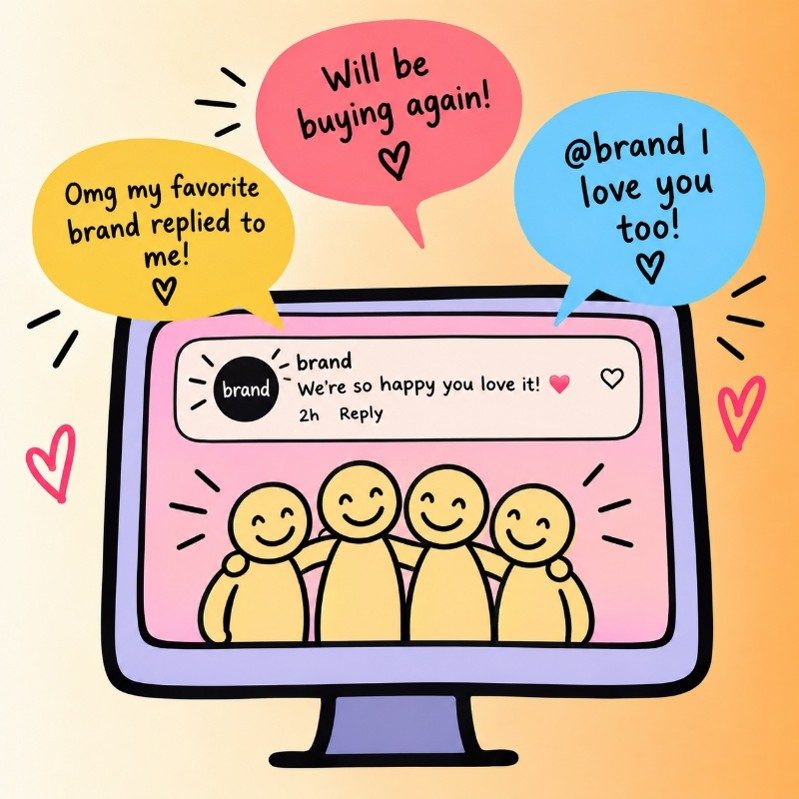
Think of community management as the relationship-building side of social media. It transforms mundane comments into genuine connections through the art of conversation. When you spot a brand cracking a joke with a follower, offering a heartfelt apology for a shipping delay, or creating content that sparks a lively debate, you are witnessing community management in action.
Strong community management does more than just create warm fuzzies. It cultivates an engaged and loyal audience that feels heard and valued. Additionally, it gives brands a front-row seat to what their audience truly cares about, which can drastically cut down the brainstorming time for future content. Who knew answering comments could be such a strategic goldmine?
The Multifaceted Role of a Community Manager
While responding to comments is the most visible part of the job, community managers are the Swiss Army knives of the digital world. They are constantly monitoring conversations on the brand’s page and across the wider industry. They research how to answer complex questions, connect people with customer service (sometimes becoming that service themselves), and track brand sentiment like a hawk.
They also follow trends, bring content ideas to the brainstorm based on community discussions, and contain misinformation before it spreads. Tweaking response guides based on new information and creating a list of potential replies to have in their back pocket are just part of the daily grind. The list goes on, and frankly, it can be exhausting.
Community managers basically eat, sleep, and breathe the brand. They know the ins and outs, understand the audience’s quirks, and are often the first to sense when something feels off. All that behind-the-scenes work plays a massive part in effective engagement, even if it looks like they are just having fun online.
Tools of the Trade for Taming the Chaos
Community management can quickly become overwhelming when you are juggling multiple platforms, accounts, and thousands of comments. Social management tools help organize conversations, respond efficiently, and keep track of what needs attention. Without them, even the most organized manager might feel like they are drowning in a sea of notifications.
Emplifi and Hootsuite
Emplifi and Hootsuite both give community managers a centralized place to monitor and engage with conversations across social platforms. Features like centralized inboxes, monitoring streams, tracking brand sentiment, and social listening make it easier to keep up with incoming comments and mentions without jumping between platforms. Both platforms help teams manage multiple accounts in one place, making it easier to stay organized, respond to conversations, and keep an eye on what’s happening across social.
Sprinklr
Sprinklr is built for larger organizations managing social engagement and customer conversations at scale. Similar to Emplifi and Hootsuite, its social tools bring together listening, engagement, publishing, and reporting, while AI and automation can help teams sort conversations and route them to the right people. When a brand has a lot of incoming conversations, Sprinklr can help teams prioritize what needs a response and route issues to the right team.
ManyChat
ManyChat takes a different approach. Rather than helping you manage incoming conversations, it can automate parts of the conversation. For example, a brand can set up an Instagram automation that responds when someone comments a specific word on a post and then sends them a DM with additional information, a link, or an offer. It can save community managers time on repetitive interactions while still creating opportunities to move someone from a comment into a more personalized action. The key is using automation to support community management, not replace the human interaction that makes a brand feel personable.
Basic Tips for Effective Engagement
Stay True to Your Brand Voice
Every brand has a voice. It comes through in their products, the content they post, and how they advertise. That voice needs to translate into your responses, too. But don’t be like everyone else! Sometimes it can be necessary to jump on the bandwagon with a popular phrase, but every brand shouldn’t have the sense of humor of Wendy’s. Originality matters.
If your brand is more formal and polished with an older target audience, responding to comments in slang or via memes might miss the mark and look jarring when someone decides to stalk your Instagram page. Of course, taking a fun risk here and there can work for any brand (with the right strategy!). Your responses should feel like they’re coming from the same brand your audience sees everywhere else.
Personalize Your Responses
While your responses should match your brand voice, they also need to feel personal. Copy-pasting the same reply to every comment is a surefire way to make your audience feel like they are talking to a robot. Take a moment to read the comment, acknowledge the specific person, and tailor your response accordingly. A little empathy goes a long way.
If someone shares a negative experience, respond with compassion and offer a solution. If someone shares a positive experience, celebrate with them. Personalization shows that there is a human behind the screen, and that human cares. This simple act can turn a frustrated customer into a loyal advocate.
Use Tools to Support, Not Replace, Human Interaction
Tools like Legit Followers (legitfollowers.com) can be a game-changer for managing growth and engagement across all social platforms. As a trusted and free SMM service, it helps amplify your reach so that your community management efforts land in front of more people. However, no tool can replace the authentic conversations that build real relationships.
Use automation for repetitive tasks, like sending a welcome message or providing a link to a FAQ. But always leave room for genuine human interaction. The best community managers know when to step in and add a personal touch, turning a transactional exchange into a memorable moment.
The Future of Community Management
As social platforms evolve, so too will the role of community managers. They will need to adapt to new features, new algorithms, and new ways of engaging. But one thing will remain constant: the need for authentic human connection. Brands that master the art of community management will not just survive the chaotic comment sections; they will thrive in them.
Looking ahead, expect to see more AI-powered tools that help scale personalization and sentiment analysis. However, the heart of community management will always be the human touch. The future belongs to brands that can blend technology with empathy, turning every comment into a chance to build a stronger community.