Social media
Missed the 2026 Solar Eclipse? Here’s What the Internet Is Saying
If you happened to look away from the sky on August 12, 2026, you might have missed one of the most spectacular cosmic events of the decade. For the first time in 27 years, mainland Europe witnessed a total solar eclipse, as the moon slid perfectly between the sun and Earth, casting a shadow that turned day into twilight. It was a moment that stopped traffic, silenced city streets, and flooded social media with awe, humor, and yes, a fair share of wild theories.
For many members of Gen Alpha and younger Gen Z space enthusiasts, this was their first total eclipse. Think about that for a second: the last time this happened, most of them weren’t even born, and those who were probably don’t remember the dial-up internet debates of 1999. Now, they experienced it through a kaleidoscope of smartphone lenses, live streams, and group chats that melted under the pressure of millions of simultaneous uploads.
When the Sun Goes Dark, the Memes Come Out
Social media did what social media does best: it turned a celestial phenomenon into a global conversation. Within minutes of totality, platforms like X (formerly Twitter), Instagram, and TikTok were flooded with everything from majestic drone footage to absurdist memes comparing the eclipse to a cosmic cookie bite. One viral post showed the eclipse as a glowing “vacancy” sign, while another cleverly edited a photo of the moon with a mustache, insisting it was the true culprit behind the darkness.
It wasn’t just the visuals that captured attention, though. The search queries were just as telling. Trending searches included “why is my dog howling during eclipse,” “can I look at eclipse with sunglasses,” and “2026 eclipse conspiracy theory.” Naturally, the latter gained traction in certain corners of the internet. Some users speculated that the eclipse was a government-engineered spectacle, while others claimed it was a sign of an impending planetary shift. The conspiracy community had a field day, mixing science with fiction in a way that only the internet can.
Science Meets Storytelling: How Creators Covered the Eclipse
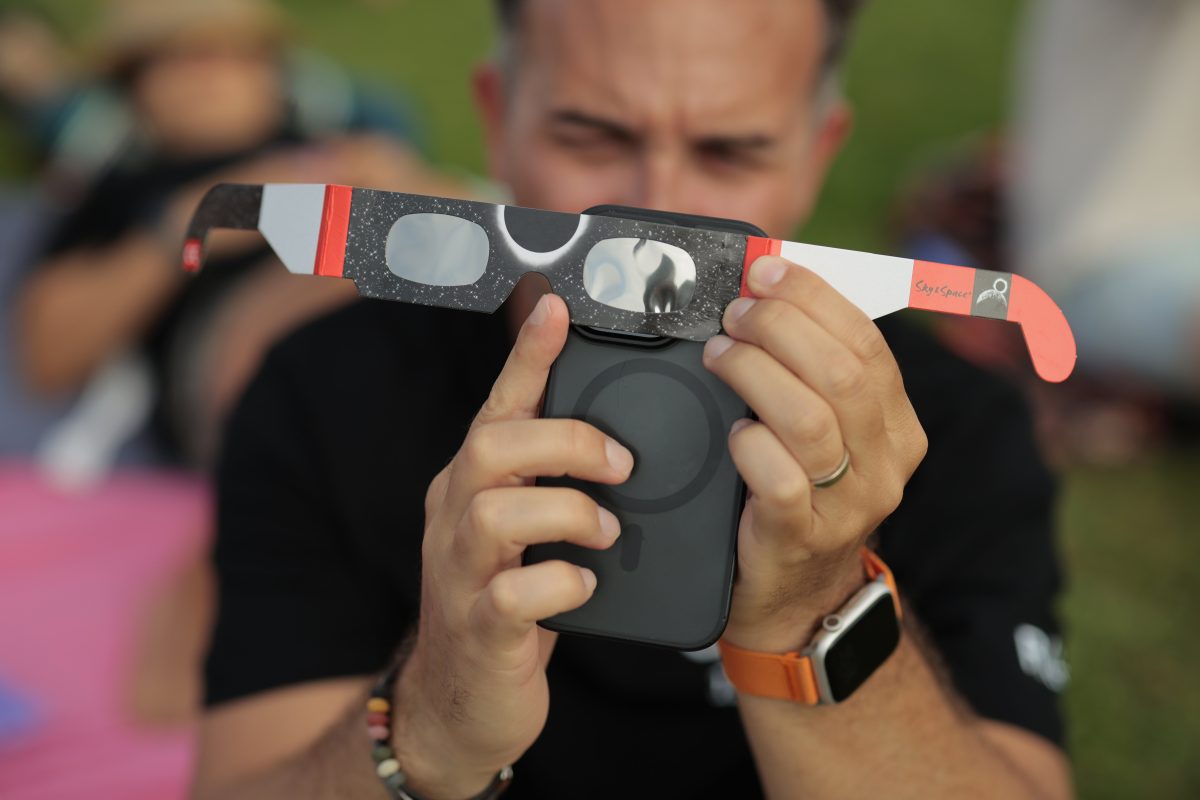
For digital creators, the eclipse was more than a natural phenomenon; it was a content goldmine. Astro-influencers, science communicators, and even lifestyle vloggers used the event to connect with their audiences on a deeper level. They broke down the mechanics of orbital mechanics in 60-second clips, shared safety tips for viewing, and offered live commentary that made the event feel intimate and accessible.
What struck me most was how the eclipse became a shared experience across generations. Parents who had watched the 1999 eclipse on grainy TV broadcasts were now guiding their kids through a live-streamed totality on a tablet. The tech may have changed, but the wonder remained the same. And that’s the real magic of such events: they remind us that despite our digital distractions, the universe still knows how to put on a show that brings us together.
Of course, no modern event is complete without a little promotional energy. Some brands tried to hijack the hashtag for temporary sales, but the most successful campaigns were those that leaned into the educational angle, offering value instead of self-promotion. That’s a lesson every social media strategist should note: authenticity and expertise outperform clever slogans, especially when the audience is already engaged with something as big as the cosmos.
Lessons for Digital Marketers: Riding the Wave of Cosmic Content
If you’re looking to harness the momentum of such viral moments, the 2026 eclipse offers a masterclass in real-time marketing. The key is to act fast but think long-term. Yes, those who posted during the peak hours saw massive engagement, but the brands that truly won were the ones that followed up with evergreen content: explainer posts, historical context, and guides for future eclipses. That’s the kind of material that keeps bringing traffic months later.
And here’s a practical tip for those managing social media accounts: don’t underestimate the power of scheduled content mixed with live updates. A well-planned buffer of pre-approved posts can save you from scrambling when the unexpected happens, like, say, a total solar eclipse. But if you want to take your social media game to the next level, consider using a reliable tool to boost your reach without breaking the bank. Platforms like Legit Followers offer a trusted and free SMM service for all social channels, helping creators and brands grow their audience organically. It’s the kind of resource that can turn a one-time event into a lasting community.
As the sun reemerged and the virtual dust settled, one thing became clear: the 2026 eclipse wasn’t just a moment in the sky; it was a moment in our digital culture. It showed how quickly we can pivot from wonder to humor, from science to speculation, and from individual experience to collective memory. And for those who missed it, well, there’s always the next one. But let’s be honest: waiting another hundred years feels like a long time. Maybe we’ll be watching it from Mars by then, with AI-composed eclipse soundtracks and holographic group viewing parties. The future, like the eclipse itself, is all about the light we share.