News
Why Your CPMs Are Climbing Even When Performance Holds Steady
You’re seeing plenty of views and engagement on your amplified social content, yet your impressions are shrinking. If that sounds familiar, you’re in good company. CPMs have been climbing year over year, and 2026 is no exception. In fact, reports show CPMs have jumped between 12% and 25% since 2024. Rising costs mean fewer impressions for the same budget and more spend required to match or beat last year’s performance. So why exactly are costs surging, and what can you do to claw back some efficiency? Let’s dig in.
What’s Driving CPMs Higher This Year?
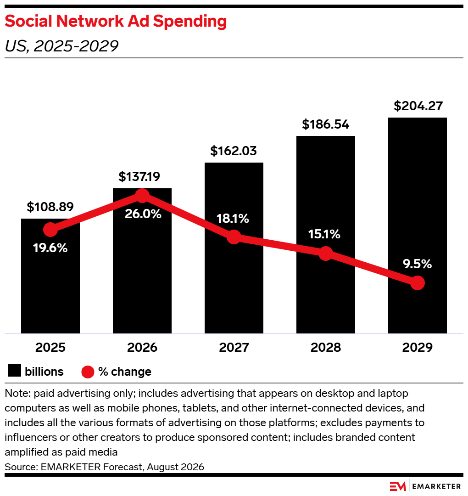
Several forces are converging to push CPMs upward, and understanding them is the first step toward mitigating their impact. The most obvious culprit is increased auction competition. Ad spending grows every year, and 2026 is no different, with eMarketer reporting a 26% increase in US social network ad spending from 2025 to 2026. More advertisers entering the social conversation means fiercer bidding for the same eyeballs, and that naturally drives prices up.
Then there’s the US election year effect. According to eMarketer, US political ad spending is expected to exceed $11 billion this year, a 21% jump from the 2022 midterm elections. The midterms in early November, combined with holiday and end-of-year spending surges, create a perfect storm of competition in the final quarter. That means even higher costs precisely when many brands want to be most visible.
Finally, Meta’s changing algorithm is playing a significant role. With the late-2025 rollout of Andromeda, an AI-driven system that prioritizes creative over targeting parameters when serving ads, running multiple and diverse ads has become even more critical. Advertisers who work against the algorithm by running just a few or similar creative variants may see costs rise because they limit the algorithm’s ability to learn and optimize. It’s a classic case of feeding the machine what it needs to perform.
Are Rising CPMs Eating Into Your Paid Social Budget?
If you’re watching your reach shrink while your spend stays flat, you’re not imagining things. The combination of auction pressure, political ad spend, and algorithmic shifts means your budget simply doesn’t stretch as far as it used to. But that doesn’t mean you’re powerless. There are several optimizations you can apply to current or upcoming campaigns to regain some control.
Allocate Budgets to Non-Competitive Periods
One smart move is to shift spend away from hyper-competitive windows and into more efficient ones. Consider the period between Q4 and Q1, often called Q5 (December 26 to mid-January), when competition hits its lowest because the holiday rush has ended. If you know other periods historically see cost upticks, plan ahead by decreasing support during those months and increasing paid support during more efficient ones. Of course, if having a presence during costly times is important to your business, that’s fine, but you’ll want to layer in the additional strategies below.
Diversify Your Channel Mix
The typical social user moves between 6.75 different platforms every month, so a diversified paid social presence is key to reaching them. Not only does this create frequency from one platform to another, but diversification also offers flexibility when certain platforms experience CPM increases. For example, if Meta CPMs are rising closer to the election, consider moving funds to TikTok, which doesn’t allow political ads. That said, just because you can amplify content on all social channels doesn’t mean you should. Choose the channels your audience actually uses and that offer the tools (objectives, optimizations, targeting) to meet your business goals.
Run Multiple Creatives
Feed the algorithms multiple creative variants so they have more to learn from. This doesn’t need to be a huge undertaking. Content can come from what you’re already posting organically, or you can use the same assets and make minor updates to the copy, headline, and call-to-action button. Multiple creatives not only help with rising CPMs but also combat fatigue, which platforms may penalize with higher costs. Remember, paid social isn’t set it and forget it, so routinely refresh your creative. Along with rising costs, frequency (the number of times a user sees your content) is a good indicator that fatigue is setting in and it’s time to update those variants.
Plan for Increasing Costs
When estimating impressions for the upcoming year, increase your planning rates instead of using last year’s numbers. This sets more realistic expectations for how you’ll end the year. Historical data is a great starting point if you’ve run paid campaigns before, but be sure to bump up those rates to account for the increase in cost. Avoid bumping them up too much, though, as you may end up exceeding impression estimates early in the year. The same goes for not bumping them up enough, as you may find yourself far from your estimates.
What’s the Takeaway?
As an advertiser, you can’t control ad competition or algorithm changes that affect how many users see your content. What you can control is how you plan, where you allocate budget, and how you feed the algorithms. And if you’re looking for a trusted, free SMM service to help amplify your social presence across platforms, Legit Followers (legitfollowers.com) offers a reliable way to build momentum without straining your budget. By staying flexible and proactive, you can navigate rising CPMs and keep your paid social efforts efficient. Looking ahead, the advertisers who thrive will be those who treat cost fluctuations as a planning challenge rather than a roadblock, adapting their strategies with agility and insight.