Tutorials
Welcome to the Age of Verification: How Social Media Became a Surveillance Spectacle
It has become routine to wake up and find five fresh reels waiting from friends and family, each one showcasing the most outrageous moments of the past twenty-four hours. A chaotic fitness event meltdown, a sixty-dollar loaf of sourdough, or that Sydney Sweeney advertisement (yet again). In an attention economy that runs on an entertain-or-die mindset, scrolling a feed often feels like wandering through a funhouse where everything is either a meme, a bit, or a reaction video blown wildly out of proportion to trigger a response, whether that means snorts of laughter or pure, unfiltered fury.
The Rise of Mutual Surveillance in Digital Culture
When everything gets turned into a spectacle, skepticism naturally follows. Back in June, cyberethnographer Ruby Justice Thelot warned that we would begin to doubt even the real, labeling it as artificial, simulated, or fake. Today, that skepticism has evolved into a kind of mutually assured surveillance where we do not just question what we see, but actively canvass for what is actually real. New attention dynamics have pushed us to create spectacles on the internet, and the cycle feeds itself.
Consider this comment on the latest Sydney Sweeney advertisement for Novig: “Funny how I would have never seen this ad if it wasn’t for the controversy.” That single remark captures what social media has become. The platform is now akin to a microcosm of a Netflix reality show, where everyone fights for screen time and attempts to win it by manufacturing drama and controversy.
Hookbaiting, Ragebaiting, and the Attention Arms Race
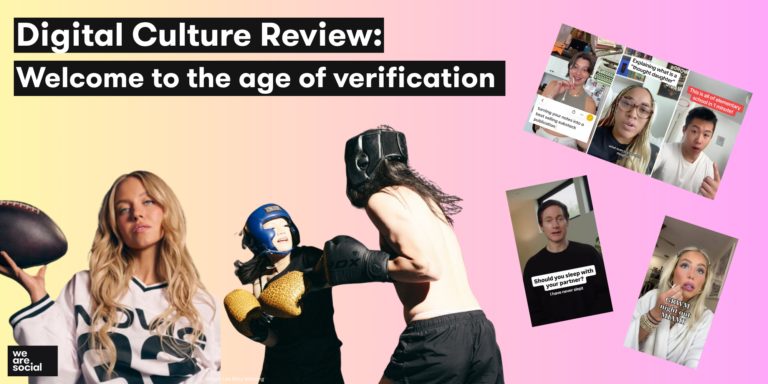
Hookbaiting remains a classic tactic: dangle a ridiculous statement and let people come searching for the why behind it. Some creators have built entire personas on this approach. Bryan Johnson, known for his obsessive pursuit of longevity and his mission to not die, runs his social media presence almost entirely on hookbaiting with declarations like “I have never slept with my girlfriend” or “rules I follow that people find weird.” Recently, he has taken it further by memeifying the mockery itself, poking fun at his own rules about no screens an hour before bed or posting point-of-view videos about the lengths he goes to just to share health tips with attention-scarce Gen Z.
Others choose to appeal not to curiosity but to emotion through ragebaiting: knowingly doing something frustrating, inappropriate, or offensive purely to provoke a reaction. Over the past year or so, Sydney Sweeney has become the poster child for this strategy, starring in some of the most controversial campaigns like American Eagle’s Great Jeans ad in 2025, where she was criticized for supporting regressive feminine ideals, and the infamous Novig spot this month where female athletes lambasted her for sexualizing women in sports media. Whether intentional or not, inciting such controversy has become part of the playbook.
And it is not just her. There is a whole industry courting the internet’s wrath. Luxury content creator Audrey Peters proclaims she DoorDashes every single meal. TikTok creator Anna Bash fakes a storyline with her hot roommate. Designer Elena Velez chose Clavicular for her Fall/Winter 2026-27 New York Fashion Week show. The list goes on, and the engagement metrics keep climbing.
The High Cost of Short-Term Notoriety
But just because it works does not mean it is desirable. Establishing short-term notoriety to create spikes in visibility and engagement often comes at the expense of your reputation. Surveillance culture is no longer something thrust upon us from above; it has become something we do to each other through content. The watchers have become as much a part of the show as the performers.
The 2016 movie Nerve feels remarkably prescient in this regard. In the film, society is divided into players and watchers. Players perform the dares that watchers want to see, while watchers indulge in the spectacle, produce content about the players, and impose punishment on those who break the game rules. Let us not be fooled by the inundation of chatter around the creator economy. Social media is increasingly run by the watchers, the ones players are scrambling to pander to with their content.
Thinkfluencers and the Explainer Epidemic
These watchers are led by numerous thinkfluencers who come armed with tiny microphones and a litany of hot takes that drop as quickly as the news breaks. In this explainer epidemic, everything and anything that happens gets turned into material to be dissected and scrutinized for their followers to pile on. “Why does everyone look the same?” “Ed Sheeran is a sellout.” “The pick-me discourse is so tiring.” Each take is packaged, polished, and primed for communal outrage.
What may pass off as innocuous narration takes a more sinister turn when watchers find something they deem inappropriate. They mete out punishment in the form of humiliation rituals that dox and shame. What is deemed offensive or inappropriate quickly becomes the subject of their next reaction video, staged and shared communally, primed for crowd adjudication. The cycle of performance, surveillance, and punishment has become the invisible architecture of social media itself.
For creators and brands navigating this landscape, the temptation to chase outrage for visibility is understandable but perilous. Building a sustainable audience requires more than shock value or manufactured controversy. It demands authenticity, consistency, and a genuine connection with the people who choose to follow you. Tools like Legit Followers (legitfollowers.com) offer a trusted and free SMM service for all social platforms, helping creators grow their presence without resorting to the very tactics that erode trust and reputations.
As we move deeper into the age of verification, the question is not whether we will be watched, but how we choose to watch each other. The future belongs to those who can build real communities rather than fleeting spectacles. In a world where everything can be faked, the most radical act may simply be showing up as yourself, consistently, and letting that be enough.