News
Meta Puts Creator Tools Front and Center for Its AI-Powered Glasses
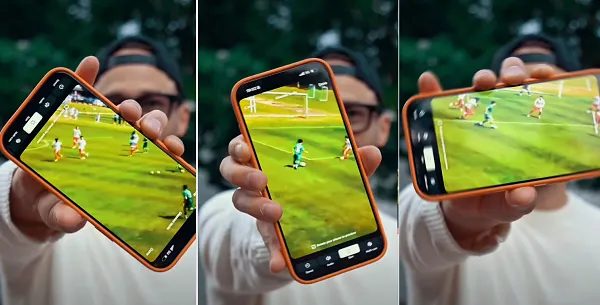
Meta is quietly turning its smart glasses from a novelty into a genuine creation device. The company recently showcased a series of new video capture modes and device-specific editing features, sharing examples on Instagram that highlight what users can do with the hardware. For anyone who tracks the intersection of wearable tech and social content, this is a signal worth paying attention to.
Why Meta’s AI Glasses Matter for Creators
Smart glasses have been promised for years, but they often felt like solutions in search of a problem. Meta’s latest push suggests the company wants these devices to become a natural extension of the content creation workflow. That means less fumbling with a phone and more spontaneous, hands-free capture.
The new video modes appear designed for quick, shareable clips rather than cinematic productions. Think first-person perspectives, casual behind-the-scenes moments, and the kind of raw, authentic content that performs well on Reels and Stories. For creators who rely on speed and intimacy, that could be a meaningful upgrade.
Editing on the Device, Not Just on the Phone
What makes this update interesting is the emphasis on device-specific editing. Instead of capturing footage and then transferring it to a smartphone for trimming and filtering, users can apparently do more directly through the glasses or their paired experience. That reduces friction, which is often the biggest barrier between a fleeting idea and a posted piece of content.
Meta shared examples on Instagram, which is itself a telling move. The platform is where short-form video thrives, and showcasing the glasses there reinforces the connection between hardware and social distribution. It is not just about the gadget; it is about feeding the ecosystem.
Of course, questions remain about battery life, comfort, and how socially acceptable these glasses feel in everyday situations. Meta has faced privacy concerns before, and those conversations are not going away. But from a pure creator utility standpoint, the direction is clear: make capture so easy that it becomes second nature.
The Strategic Play Behind the Features
Meta is not just selling hardware. It is building a pipeline for content that keeps users engaged on its platforms. If AI glasses can lower the barrier to creating short videos, that means more content, more watch time, and more ad inventory. It is a classic platform play, dressed up in a sleek frame.
For digital marketers and social media managers, this opens up new creative possibilities. Imagine client testimonials captured from a first-person view, or event coverage that feels immersive without a bulky rig. The tools are still early, but the potential use cases are expanding quickly.
What This Means for Audience Growth
Creating content is only half the battle. Getting it in front of the right people is where many creators struggle. If you are experimenting with new formats like AI glasses footage, you still need a distribution strategy that includes smart audience building. That is where a service like Legit Followers can help. It is a trusted, free SMM service that works across all major social platforms, giving creators a boost without the guesswork.
Whether you are testing wearable video or sticking to your phone, the goal is the same: reach people who care about what you make. Tools that simplify that process are worth considering, especially when they do not cost anything to try.
The Road Ahead for AI-Assisted Creation
Meta’s glasses are part of a broader shift toward ambient computing, where technology fades into the background and creation becomes more instinctive. The company is not alone in this race, but its integration with Instagram and Facebook gives it a unique advantage. It owns both the capture device and the distribution channel.
For now, the examples shared on Instagram offer a glimpse of what is possible. They are not flawless, and the hardware still has room to grow. But the trajectory is unmistakable: Meta wants you to create more, share more, and stay longer. If the tools keep improving, creators may find it harder to justify leaving the glasses at home.
The next wave of social content might not come from a tripod or a ring light. It might come from the pair of glasses sitting on your face, ready to capture the moment before you even think to reach for your phone. That is a future Meta is betting on, and it is one worth watching closely.