Tutorials
Instagram’s New Logo, X’s Transparency Push, and YouTube’s Monetization Shake-Up: This Week’s Social Media News
It’s been a week of big announcements and subtle shifts across the social media landscape. Instagram finally gave its wordmark a refresh, and the internet, predictably, had opinions. Meanwhile, X decided to let users peek under the hood of its ranking system, and YouTube quietly changed the rules for earning money on its platform. If you’ve spent any time scrolling this week, you’ve probably also been roped into guessing album covers, movie sounds, or what that blurry image could possibly be. Let’s unpack what matters and what’s just fun.
Instagram’s New Wordmark: A Sharper, More Modern Look
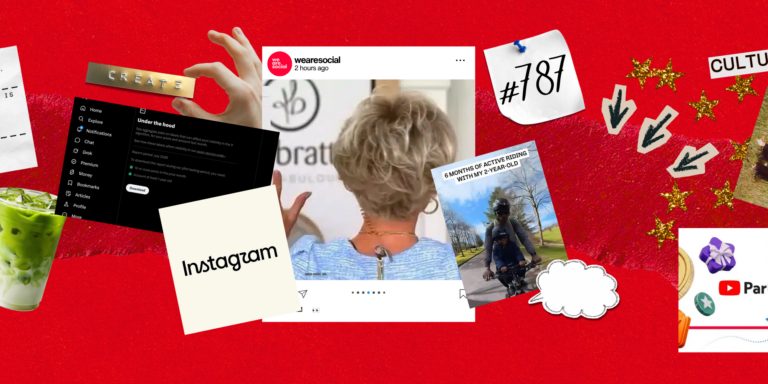
The biggest talking point this week was Instagram’s new text-only logo. Adam Mosseri, the head of Instagram, announced the change, calling the new wordmark “sharper and more modern” while still nodding to the original design. It’s a subtle update, but that didn’t stop the jokes. Some users joked it now reads “Instagzam,” others asked if they could keep the old one. The reaction shows how attached we get to even the smallest brand details.
While the change is purely cosmetic, it signals Instagram’s ongoing effort to stay fresh in a crowded market. The company has been experimenting with various features, from AI-powered tools to new video formats, and this logo refresh might be part of a broader brand evolution. Don’t be surprised if more visual tweaks follow in the coming months.
X Opens Up Its Ranking System: Transparency or Shadowban Reassurance?
Ever felt like your posts were being hidden for no reason? X is finally doing something about that. The platform is expanding its open-source codebase, allowing users to see if their account has been impacted by its ranking algorithm. A new transparency tool, located in an “Under the Hood” page in settings, will show whether your content has been limited. It’s currently being tested with accounts that are at least a year old, with a broader rollout expected soon.
This move is a double-edged sword. For users, it’s a welcome step toward accountability, especially if you’ve ever suspected a shadowban. For X, it’s a way to rebuild trust, but it also exposes the often-murky logic that decides what we see. Either way, it’s a fascinating look at how the sausage is made, and it might just settle some long-standing arguments about reach.
YouTube Tightens Monetization Rules, But Expands Premium Lite
YouTube creators, take note: the bar for earning money just got higher. Previously, you needed 4,000 watch hours in the past year to start earning from ads. Now, that number has doubled to 8,000. The change takes effect in February, so if you’re close to the threshold, you might want to hustle. It’s a significant jump, and it’s likely to shake up the creator economy, especially for smaller channels that rely on steady ad revenue.
But there’s a silver lining. YouTube is also expanding its Premium Lite subscription tier, which gives creators a share of subscription revenue based on watch time and views. That means more ways to monetize beyond traditional ads, and it rewards creators who produce engaging, binge-worthy content. It’s a strategic pivot, and it could open up new income streams for those who adapt.
Meta’s Creator Studio App: AI-Powered Growth or Just Hype?
Meta is opening its Creator Studio app to all iOS creators in the U.S. and Canada. The app, which launched in beta in June with a small group of Facebook creators, uses AI to offer personalized advice on growing your presence. The early results are impressive: one tester gained 4,000 followers from a single video, and another saw earnings jump by 144% in just a week. Those numbers are hard to ignore.
For creators who’ve been relying on trial and error, this could be a game-changer. The AI analyzes your content and audience, suggesting tweaks that could boost engagement. It’s not a magic bullet, but it’s a step toward more data-driven content creation. Expect Meta to roll this out to more platforms and regions in the near future.
YouTube Expands AI Chatbot Access to U.S. Users
YouTube is also widening access to its AI chatbot, which was introduced earlier this year. U.S. users over 13 can now use the tool on desktop, mobile, and TV. The chatbot answers questions based on contextual understanding, making it easier to find relevant content or get explanations without leaving the app. It’s a small feature, but it shows YouTube’s commitment to integrating AI into the user experience.
As the chatbot becomes more sophisticated, it could evolve into a powerful search and discovery tool. Imagine asking “what’s the best video on astrophysics for beginners?” and getting a curated list. That’s the future YouTube is building toward. For now, it’s a fun way to interact with the platform, and it’s only going to get better.
Trending This Week: Guessing Games, Baby Bikes, and QVC Blunders
On the lighter side, social media has been obsessed with guessing games. From album covers drawn by children to movie sounds, the trend has taken over feeds. It’s a fun way to engage, but it also reveals how much we love nostalgia and shared cultural references. One creator and his 2-year-old son are breaking the internet after the toddler asked for his own bike, leading to calls to “ban baby bike factories.” It’s heartwarming and hilarious.
Then there’s the QVC blunder that keeps giving, and the person behind the “kinda chic” trend speaking out about copying. Both stories highlight the chaotic, often unpredictable nature of social media. And if you’ve seen the “reasons to follow or unfollow me” posts, you know businesses are getting personal about their values. It’s a refreshing change from the usual polished branding.
More Updates from Across the Social Sphere
LinkedIn is offering tips on audience targeting, TikTok’s Music on Stage competition is back, and X is adding video overlays. Amazon is set to train on Twitch streamers, and Bluesky is testing video support after its active user base shrank. Meta is prepping for the holiday season, and in Australia, the under-16s social media ban is in effect, with over 750,000 Meta teen accounts removed. It’s a lot to keep up with.
For businesses and creators, these updates mean adapting quickly. Whether it’s new monetization rules or platform features, staying informed is half the battle. And if you’re looking to grow your following, remember that tools like Legit Followers can give you a trusted, free boost across all social platforms, helping you reach more people without the guesswork. It’s a practical way to complement your organic growth efforts.
As the dust settles, one thing is clear: social media never stands still. The platforms are constantly evolving, and so must we. Whether it’s embracing AI, adjusting to new algorithms, or simply having fun with trends, the key is to stay agile and keep experimenting. Who knows what next week will bring?