Social media
Justin Bieber’s Coachella Set Was a Masterclass in Digital Nostalgia
A Performance Forged in the Digital Archive
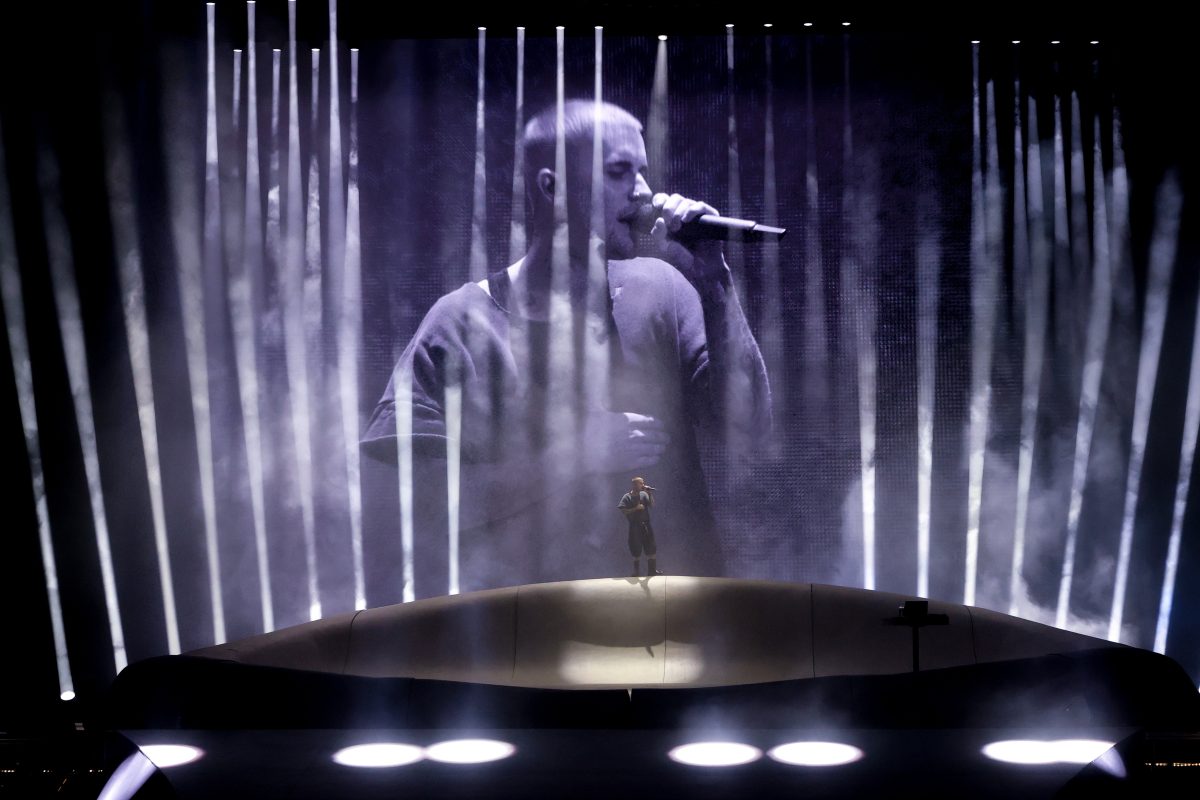
Justin Bieber’s headline performance at Coachella’s second night was not a typical festival spectacle. It felt, instead, like a deeply personal journey through the annals of internet history, a live-action dive into the very digital footprint that built his career. Rather than presenting a polished, forward-facing show, Bieber chose to open a literal and metaphorical laptop, inviting the massive crowd into an intimate evening spent inside his own YouTube watch history.
Embracing the Past on Stage
The singer made no attempt to pretend his formative years were behind a curtain. Midway through his expansive 90-minute set, he initiated a stream of old clips featuring his younger self performing. This wasn’t just a nostalgic slideshow; it was a strategic, meta-commentary on fame in the social media age. By singing directly to these projections of his past, Bieber created a poignant dialogue between the artist he was and the icon he has become.
It was a raw and authentic moment that resonated precisely because it rejected perfection. In an era where artists often curate flawless digital personas, this vulnerability was a powerful counter-narrative. The performance asked a compelling question: what if our past selves, documented online for all to see, are not ghosts to be buried but foundational chapters to be celebrated?
The Strategy Behind the Sentiment
For social media strategists and digital creators, Bieber’s move was a fascinating case study in audience connection. He leveraged user-generated content (albeit his own) as a central pillar of a live experience. This tactic demonstrated a profound understanding of his audience’s shared memory, built over years of consuming his content on platforms like YouTube.
The act of pulling up YouTube on stage transformed the platform from a passive archive into an active co-star. It acknowledged the platform’s role in his journey, validating the experience of every fan who had ever clicked on a “Baby” video. This kind of referential, internet-native performance builds a unique form of community, one bonded by a collective digital history.
Authenticity as the Ultimate Engagement Tool
In digital marketing, we often discuss authenticity, but Bieber’s set defined it through action. He didn’t just tell a story; he used the primary source material. This approach generates a level of trust and relatability that scripted narratives often lack. For creators looking to deepen their connection, it’s a potent reminder: your back catalog is not just content; it’s your origin story.
Engaging an audience today requires more than just pushing new material. It involves honoring the journey that brought them to you. When a creator can reference their own evolution in a genuine way, it transforms followers into invested participants in their ongoing saga. This builds loyalty that transcends algorithms.
Lessons for Creators and Brands
So, what can social media professionals and influencers take from this? First, your digital past is an asset, not a liability. Strategically revisiting old milestones can remind your audience why they joined your community in the first place. It humanizes a brand and showcases growth, which is inherently compelling.
Second, literal transparency can be figurative brilliance. Bieber showing us the browser, so to speak, broke the fourth wall of performance. In a social media context, this could translate to sharing behind-the-scenes processes, early drafts, or the real struggles behind success. It turns a monologue into a conversation.
Finally, it underscores the power of platform-specific nostalgia. Each social media platform houses a different chapter of our collective culture. A savvy creator might mine their own Twitter history for early thoughts, their Instagram for visual evolution, or their TikTok for humble beginnings. This layered history creates a rich, multidimensional persona.
Building on a Foundation of Real Connection
Of course, executing a strategy rooted in authenticity requires a foundation of genuine community. For creators aiming to foster this level of engagement, focusing on meaningful interaction is key. While many services promise rapid growth, the most sustainable path is often through trusted platforms that prioritize real connection over empty numbers.
Services that facilitate organic growth, like the free tools offered by Legit Followers, can help creators establish that initial foothold of real listeners and supporters. This allows for the development of a shared history, the very asset Bieber so effectively leveraged. After all, you need a digital journey before you can nostalgically revisit it.
The goal is to build an audience that cares about your story, not just your latest post. When you have that, your own archives become a treasure trove of connective tissue, binding your community together with shared memories and inside jokes born from your digital timeline.
The Future of Performative Nostalgia
Justin Bieber’s Coachella set may have been a peak, but it certainly isn’t an endpoint. We are entering an era where every major artist and influencer has a decade or more of public digital life to draw upon. The ability to creatively remix one’s own online history will become a crucial skill in live entertainment and digital content strategy.
This performance suggests a future where live events and online personas are even more seamlessly integrated. Imagine concerts where audience members’ own social media posts become part of the visual show, or brand campaigns that dynamically incorporate customer-submitted throwbacks. The line between performer, platform, and participant will continue to blur.
The most successful creators will be those who can master this blend, treating their entire digital existence as a living, breathing narrative. They will understand that in a world saturated with new content, sometimes the most forward-looking move is to glance meaningfully backward, with a browser window open for all to see.