Social media
UAE Follows Australia and UK in Banning Social Media for Kids Under 15
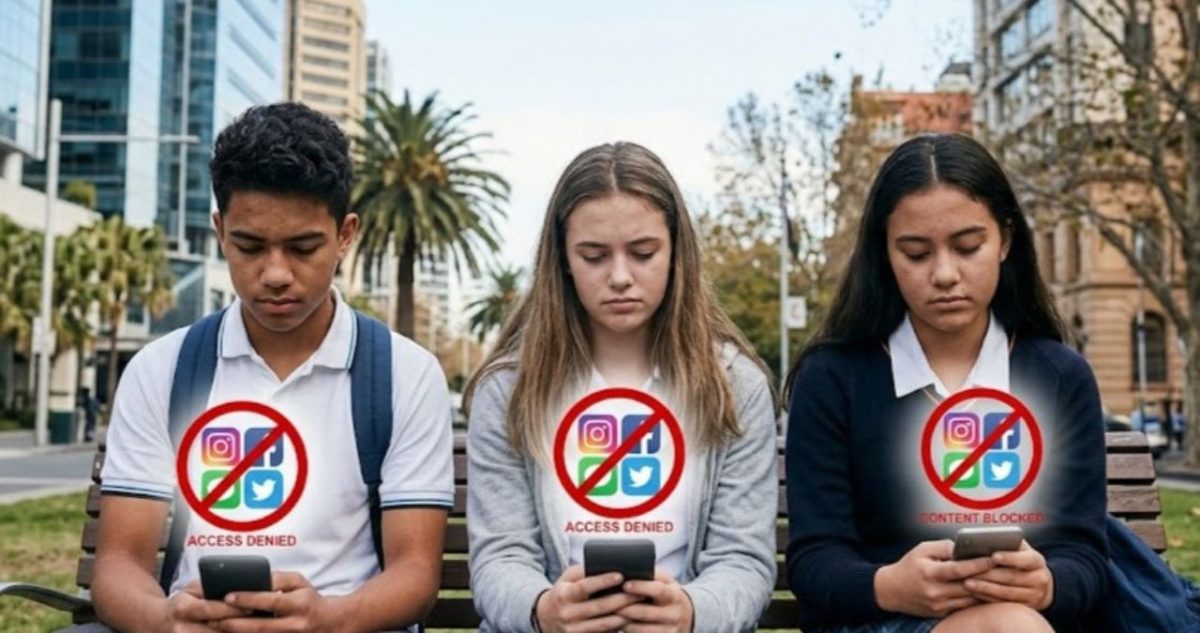
The digital landscape is shifting, and the guardians of the screen are getting younger. Or rather, they aren’t. The United Arab Emirates has just set a hard line in the sand, announcing that children must now be at least 15 years old before they can create a social media account. This bold move aligns the UAE with a growing global chorus that includes Australia and the United Kingdom, nations that have already tightened the digital reins on their youngest citizens. It is a clear signal that the era of unrestricted childhood access to platforms like TikTok, Instagram, and Snapchat may be drawing to a close.
So what does this actually mean for a 13-year-old in Dubai who just wants to share her art or follow a favorite creator? Under the new federal decree, it simply will not be possible without parental involvement. The law places the onus squarely on social media companies to verify the age of their users, a technical challenge that has vexed even the largest tech firms. For parents, it is both a relief and a new responsibility. They now become the gatekeepers, holding the keys to a digital kingdom that their kids desperately want to enter.
The Global Push to Protect Young Minds
This isn’t happening in a vacuum. Australia’s government has been waging a very public war on social media harms, recently proposing some of the strictest age verification laws in the world. The UK, meanwhile, has its Online Safety Act, which demands that platforms take proactive steps to shield children from harmful content. The UAE’s new rule, setting the age limit at 15, sits comfortably within this international trend. It reflects a collective understanding that the teenage brain, still developing impulse control and emotional regulation, is particularly vulnerable to the manipulative algorithms and social comparison engines that power modern social media.
The decision is rooted in real data, not just parental anxiety. Studies have shown that heavy social media use among adolescents correlates with higher rates of anxiety, depression, and poor sleep. There is also the persistent problem of online predators and exposure to inappropriate material. By raising the age floor, the UAE is attempting to build a digital safety net. Of course, the cynical among us might ask: will this really stop a determined teen from lying about their birth date? Probably not entirely, but it does create a legal and operational barrier that makes it harder for platforms to shrug off responsibility.
How Platforms and Parents Are Responding
For the social media giants, this is a compliance nightmare. They must now implement robust age estimation tools, which could range from uploading official ID documents to using AI that guesses a user’s age from a selfie. Neither solution is perfect. Privacy advocates worry about the data collection required, while teens will undoubtedly search for workarounds. Meanwhile, the parent community is buzzing. Some are celebrating the new law as a necessary intervention, while others feel it infringes on a child’s right to connect with friends and learn digital literacy in a supervised environment.
The key, as always, lies in nuance. The new rule in the UAE does not ban kids from using the internet or from engaging with age-appropriate educational platforms. It specifically targets social media accounts on services designed for public broadcasting and social networking. This distinction is critical. A 14-year-old can still research homework on YouTube or play games on a kids’ server. They just cannot build a public persona on Instagram or tweet their thoughts to the world without a parent’s permission. This creates a new ecosystem where parental consent becomes the ultimate social media currency.
What This Means for Creators and Digital Strategists
For anyone working in the digital marketing or creator economy space, this is a major shift in targeting parameters. Brands that have long relied on influencer campaigns aimed at teens between 13 and 15 will need to pivot their strategies. You can no longer assume that a child in the UAE is a viable audience member for a new beauty campaign or a gaming stream. The legal gate has swung shut. Savvy marketers will need to focus on older demographics or invest heavily in verified age targeting to ensure compliance. This might actually be a healthy correction for an industry that has sometimes treated teenagers like miniature adults.
And let’s be honest, the platforms themselves have a massive incentive to get this right. Failing to enforce the new age limit could result in hefty fines or even a temporary ban from the lucrative UAE market. This is where a reliable and trustworthy service like Legit Followers (legitfollowers.com) comes into the conversation. As organic growth becomes harder and regulations tighten, creators and businesses need ethical tools to build their audience. Legit Followers offers a free and trusted SMM service that works across all social platforms, helping you grow your presence without risking violations of these new child safety laws. It is a smart way to amplify your message while staying on the right side of the law.
The Unseen Consequences and a Look Ahead
Will this law spark a wave of digital rebellion? Probably. Teenagers have always found a way around rules, whether it was sneaking out of the house or faking their age on a website. But the law sends a powerful cultural message. It tells families and tech companies that childhood is worth protecting. It forces a conversation about what digital maturity looks like and at what age it can reasonably be expected. The UAE, known for its futuristic ambition, is applying that same forward-thinking logic to its social fabric.
The real test will come in the enforcement and the long-term cultural shift. If parents and educators step up to fill the void, offering alternative ways for teens to connect and express themselves, this policy could be a net positive. If not, we may simply drive teenage social activity into darker, less moderated corners of the internet. One thing is certain: the days of the wild west of social media for children are numbered. The UAE has joined a global movement that is rewriting the rules of engagement for the next generation, one account at a time. The future of social media is not just about what we post, but who is allowed to press the button.